

Quick answer
The strongest viewing window in Narvik runs 22:00–02:00, when geomagnetic activity and darkness levels align for optimal Aurora Borealis visibility. Aurora sits directly overhead here at Kp 2–3, so high storm numbers are not required. Forecasts are dependable roughly 30–60 minutes ahead; anything beyond three days is probability, not prediction. Cloud cover, not solar activity, is the usual spoiler.
The auroral oval is not centred on the North Pole. It is a ring offset toward the magnetic pole in Arctic Canada, and Narvik at 68.44°N sits almost squarely beneath it. This is why nordlysvarsel readings that would strand a viewer in Oslo produce overhead displays above Ofotfjord. A Kp value of 2 is often enough. A Kp of 5 makes the aurora visible from Scotland but pushes the oval's brightest band south of Narvik entirely, sometimes leaving the town under a fainter northern edge. Any useful narvik northern lights forecast rests on three separate data streams that are frequently confused. The first is solar wind measurement from the DSCOVR and ACE satellites at the L1 Lagrange point, roughly a million miles sunward, which gives around 30 to 60 minutes of genuine warning — the interplanetary magnetic field's Bz component turning southward is the signal that matters most. The second is the 27-day recurrence outlook, built on coronal holes rotating back into view with the solar cycle. The third, and the one that decides most nights, is the Meteorologisk institutt cloud forecast. Solar physics rarely disappoints in the Narvik and Harstad fjords. Weather does. Geography supplies the rest of the answer. The Ofotfjord corridor, the Rombaksfjord arm and the Skjomen valley each sit in different local rain shadows, so a night written off in town can be clear twenty minutes inland. Locals routinely drive toward whichever fjord shows a gap on the satellite loop, a tactic that turns a mediocre aurora forecast for Narvik into a workable one. Add the moon phase: a full moon washes out faint arcs, though it also lights the peaks for photography. Add darkness itself — the polar night runs early December to early January, but usable darkness stretches from late September to early April. The practical conclusion is unglamorous. Treat the narvik northern lights forecast as a rolling instrument rather than a verdict, check it at 21:00 and again at 23:00, and give the trip three or four nights rather than one. Guided operators in the region exist largely because they read these instruments professionally and can relocate quickly. Visitors planning around northern lights in Narvik should build the itinerary around flexibility, then let the data decide the evening.
“Solar physics rarely disappoints in the Narvik fjords. Weather does.”
Seasonal and Daily Timing for Narvik Northern Lights Forecast
The optimal window for viewing the aurora in Narvik occurs from late September to late March, specifically during the best arrival window of 22:00–02:00. This period aligns with extended darkness and high geomagnetic activity levels required for visibility.
Late September–October
LowMild, 2°C to 8°C
Clear skies frequently occur before deep winter snows arrive.
November–January
ModerateCold, -5°C to 2°C
Polar nights provide maximum darkness throughout the 24-hour cycle.
February–March
ModerateCold, -6°C to 1°C
Increased solar activity often occurs around the spring equinox.
Verdict: The best period for observation is between November and February, arriving consistently within the 22:00–02:00 window.
Best Viewpoints for Narvik Northern Lights Forecast
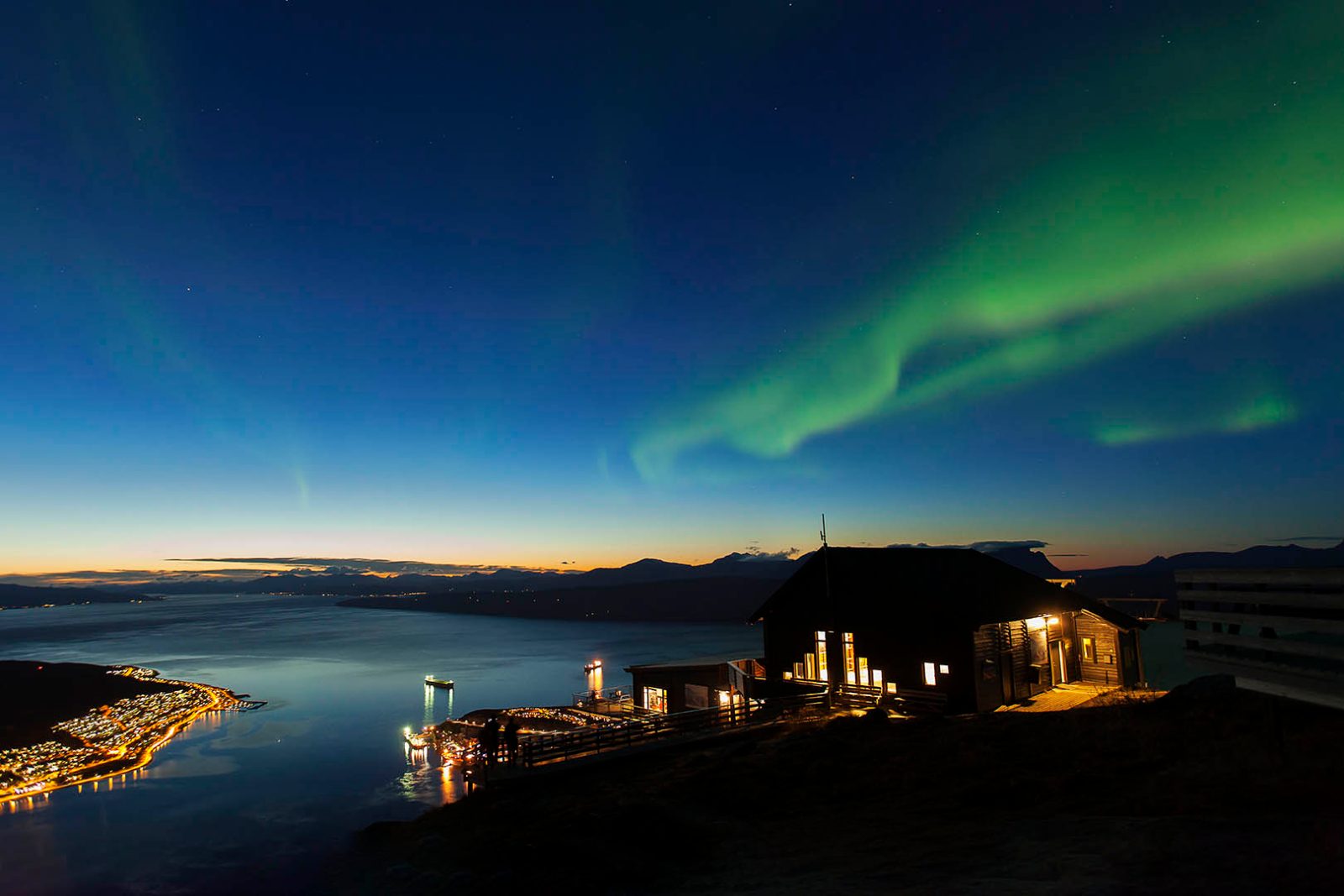
Narvikfjellet Mountain Viewpoint
This elevated position offers a wide panorama of the fjord and city lights below. Access via the cable car or road.
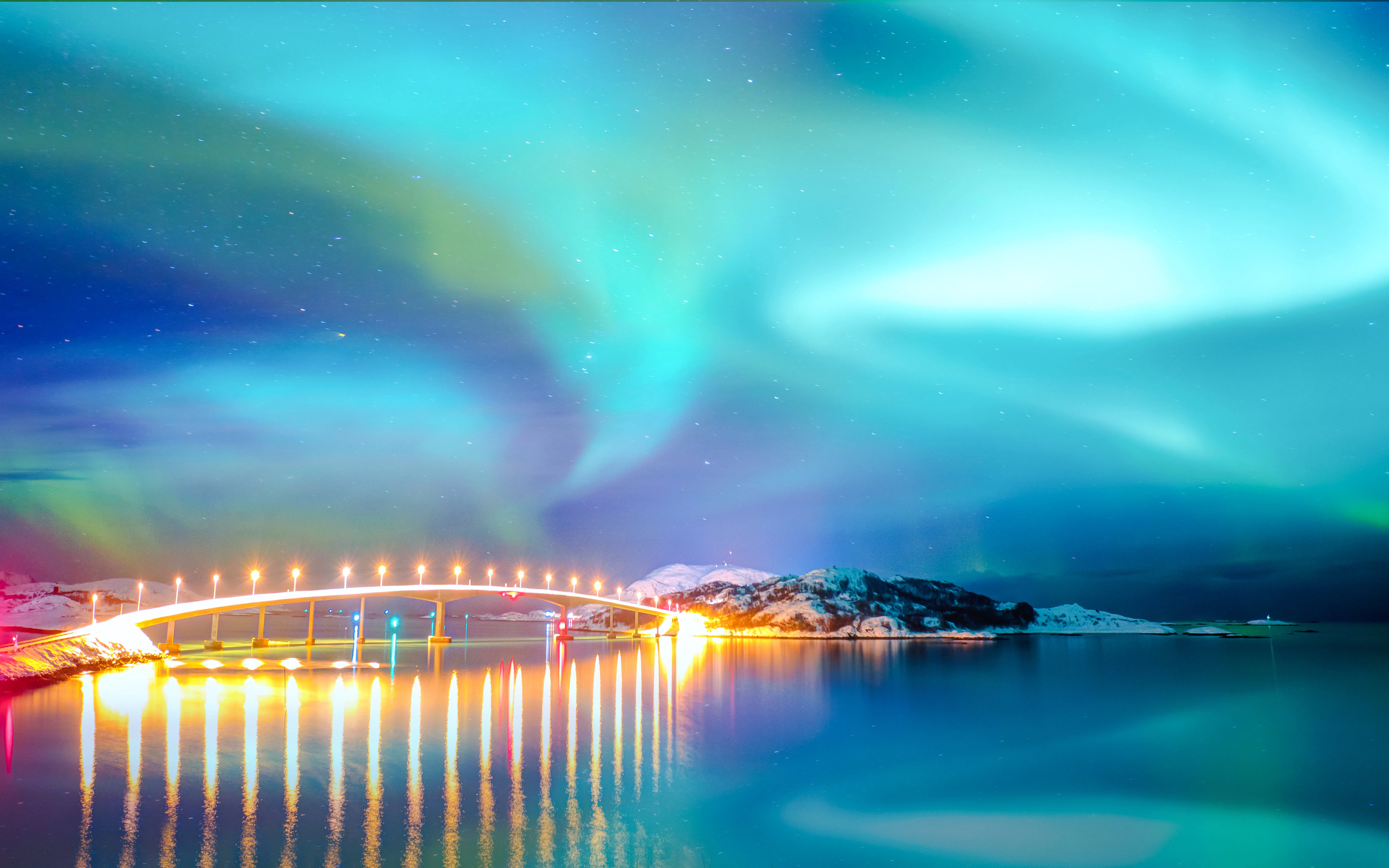
Beisfjord Bridge
The bridge provides a clear horizon looking towards the mountains and reflects the aurora in the water. Parking is available near the bridge structure.
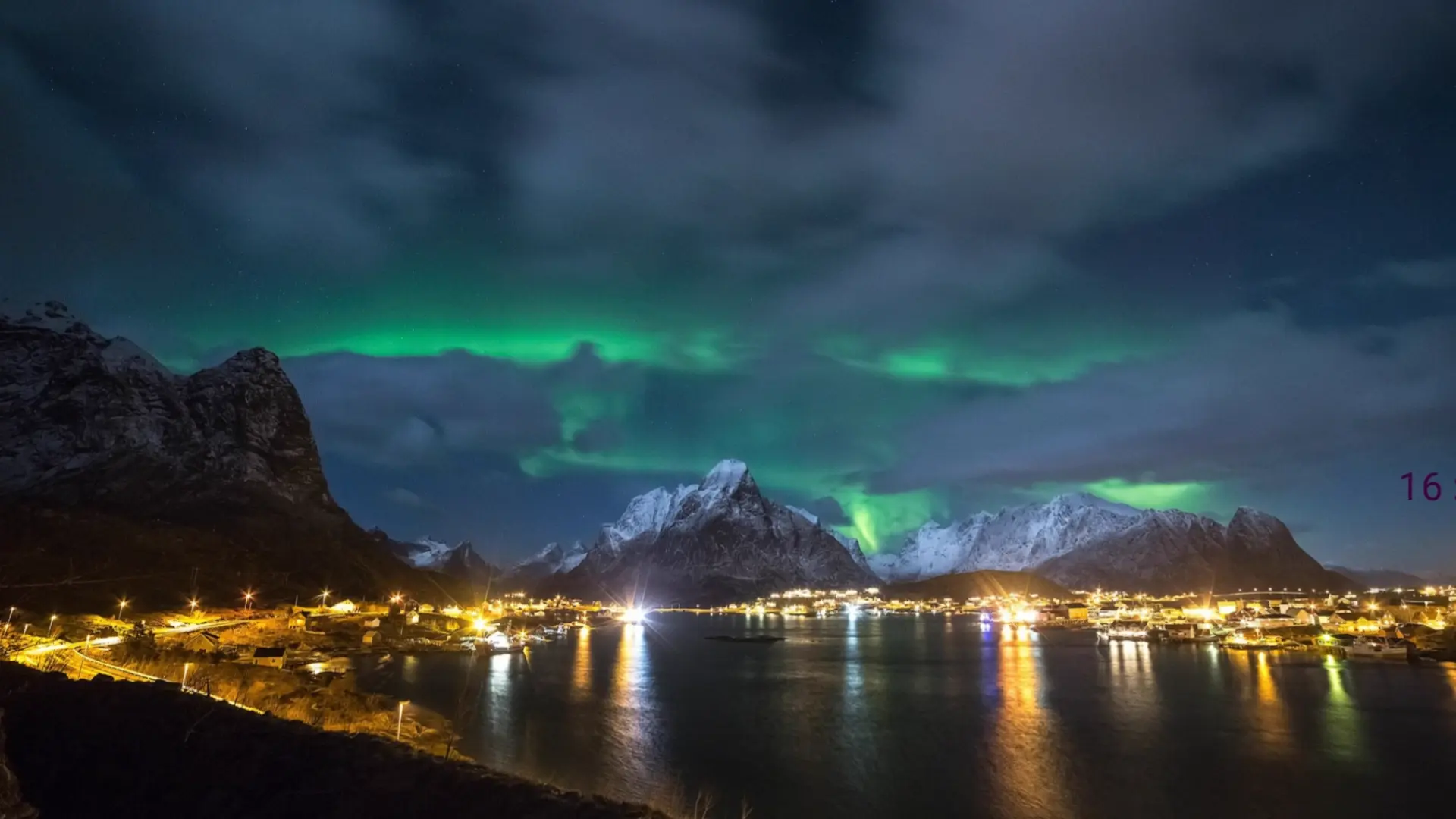
Framnesodden
This coastal point near the airport offers unobstructed views over the Ofotfjord. It is accessible by car with short walking paths.
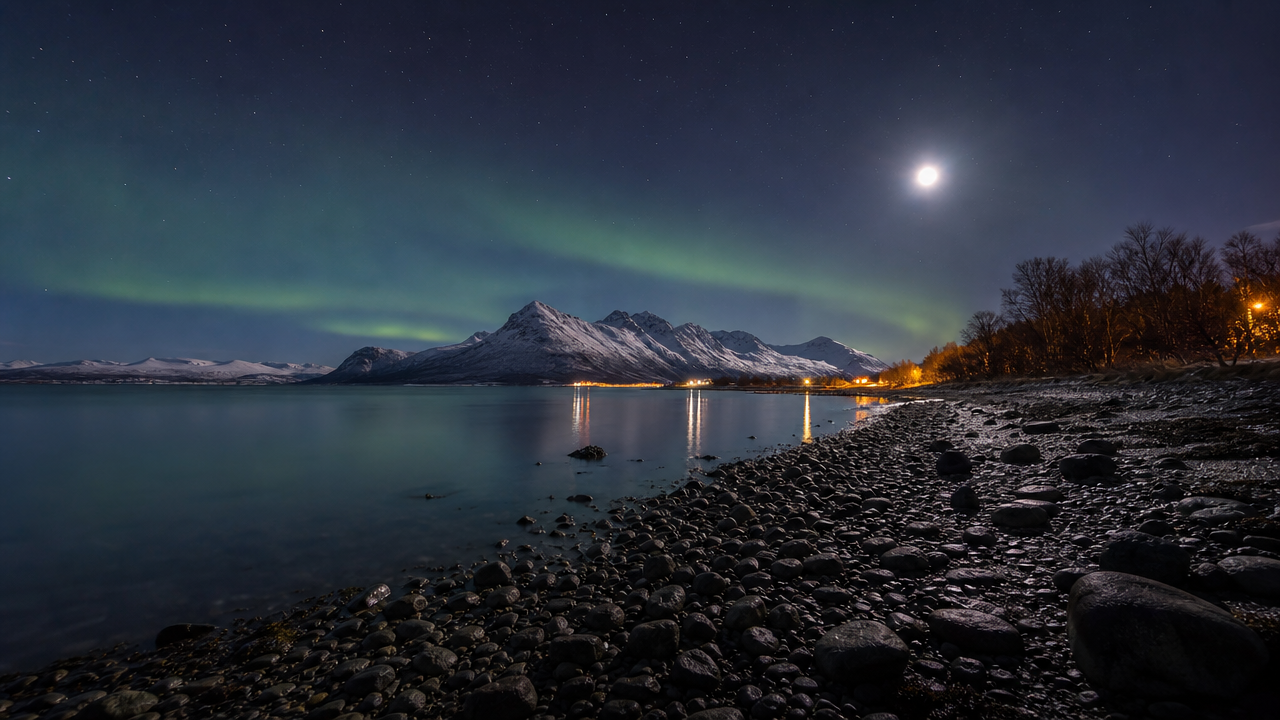
Ankenesstranda
A beach area providing a low-angle perspective of the fjords with minimal light pollution from the main town. Access is available from the local road network.
Reaching Locations for Your Narvik Northern Lights Forecast
Narvik serves as the central hub for accessing surrounding fjord regions where light pollution is minimal. Most remote viewing areas are reached via road networks winding through mountainous terrain.
E6 highway north or south of Narvik
Line 300 to surrounding fjord villages
Direct transfer to specific fjord viewpoints
Visibility Availability and Narvik Northern Lights Forecast Hours
The Northern Lights are a natural phenomenon visible from public areas in Narvik at any time of day, provided conditions are suitable. The observation sites remain accessible to the public throughout the week.
| Monday | 00:00–23:59 | |
|---|---|---|
| Tuesday | 00:00–23:59 | |
| Wednesday | 00:00–23:59 | |
| Thursday | 00:00–23:59 | |
| Friday | 00:00–23:59 | |
| Saturday | 00:00–23:59 | |
| Sunday | 00:00–23:59 |
Preparation Checklist for Narvik Northern Lights Forecast
Aurora watching in Narvik rewards preparation, so work through these steps from the weeks before your trip down to the hour you head out.
-
Install a Kp-index aurora app — Apps such as My Aurora Forecast or SpaceWeatherLive push alerts when geomagnetic activity rises.
-
Bookmark a local cloud-cover forecast — Yr.no gives hour-by-hour cloud maps for the Narvik and Harstad fjords, and clear sky matters more than a high Kp number.
-
Pack thermal base layers and a windproof shell — Standing still for an hour in fjord wind chills you far faster than walking does.
-
Add insulated boots, wool socks, hat and mittens — Extremities go numb first, and cold hands end a session early.
-
Bring a tripod and spare camera batteries — Long exposures need a steady mount, and lithium cells drain quickly below freezing.
-
Carry a red-light head torch — Red light preserves night vision so faint arcs stay visible.
-
Fill a thermos and pack a foam sitting pad — Warm drinks and insulation from the ground extend how long you can wait out a quiet period.
-
Check the Kp forecast again before leaving — Geomagnetic conditions shift within hours, so a late check decides whether tonight is worth the trip.
Check availability
Frequently Asked Questions About Narvik Northern Lights Forecast
Everything you need to know about narvik northern lights forecast